Effective Ground to Air Signal Strategies for Survival Situations
Getting lost in the wilderness is a frightening experience. When rescue teams search from the air, your chances of being found increase dramatically if you can create a clear, visible Ground-to-Air Signal (GTAS). Many people imagine simply writing "HELP" or "SOS" on the ground, but effective signaling requires more planning and precision. This post explains how to build a strong GTAS that stands out from the air, increasing your chances of rescue.

Jump Ahead
Stay Put and Choose Your Location Wisely
If you realize you are lost, the best advice is to stay where you are. Rescue teams will start searching from your last known location. Moving around can make it harder for them to find you. Before building a signal, find a spot that meets these criteria:
Clear of dense vegetation so the signal is visible from above.
Open sky visibility without tall trees or hills blocking the view.
Close to your shelter or resting spot so rescuers can locate you quickly once they spot the signal.
If you cannot find a suitable location nearby, focus on other survival priorities like shelter and water. Do not wander far just to build a signal.
Understanding Signal Design and Visibility
A good GTAS must be easily recognizable from the air. This means the shapes and letters you create should be large, bold, and contrast sharply with the ground.
Size and Shape Ratios
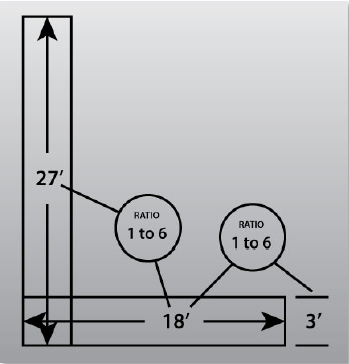
To keep your signal clear and proportional, use these two ratios:
3:2 ratio for the overall shape
For example, if your signal is 30 feet tall, it should be 20 feet wide. This keeps the design balanced and easy to identify.
6:1 ratio for line thickness
Each line in your letters or symbols should be six times longer than the width of the line itself. Think of this as making the letters bold so they don’t disappear from the air.
Contrast is Key
Your signal must stand out against the natural background. Use materials that contrast in color and texture:
Light-colored rocks or sand on dark soil
Green vegetation cleared away to expose bare earth
Branches, logs, or other natural materials arranged to form letters
Avoid materials that blend into the environment. For example, brown sticks on brown dirt won’t be visible.
Common Ground to Air Signals and Their Meanings
Knowing what signals to use can help rescuers understand your situation quickly.
Arrow (→)
Points toward your location or a safe path. Make sure the arrow is large and bold.
SOS
Universal distress signal. Use large letters with clear spacing.
Three fires in a triangle
A traditional distress signal, but only useful if you can safely maintain fires.

Building Your Signal Step-by-Step
Clear the area
Remove leaves, grass, and debris to expose bare earth or create a contrasting background.
Gather materials
Collect rocks, logs, or anything that contrasts with the ground. Man-made materials are optimal most of the time. Less effort and contrast wonderfully.
Mark your design
Use sticks or draw lines in the dirt to outline your letters or symbols.
Construct the signal
Place your materials along the outlines, keeping the lines thick and consistent.
Check visibility
If possible, climb a nearby hill or tree to view your signal from a higher vantage point.
Maintain the signal
Keep it clear of debris and repair any damage caused by wind or animals.
Additional Tips for Increasing Visibility
Use bright-colored clothing or fabric to add color to your signal.
Create reflective surfaces using mirrors, metal, or shiny objects to catch the sun.
If you have a whistle or mirror, use them to attract attention when aircraft fly overhead.
Avoid building signals near shadows or uneven terrain that can distort shapes.
Safety Considerations
Do not build signals in unsafe areas like steep cliffs or near dangerous wildlife.
Avoid starting fires unless you can control them safely.
Stay hydrated and sheltered near your signal location.
Keep a whistle or other noise-making device handy to alert rescuers.
What to Do if You Cannot Build a Signal
If no suitable location or materials are available, focus on other survival priorities:
Stay put and conserve energy.
Use noise signals like whistles or shouting when you hear aircraft.
Create small reflective signals with any shiny objects.
Make yourself visible by wearing bright clothing or laying out fabric.
Your safety is the priority. A signal is only useful if you remain safe and visible.
Gear Guide
Signaling can be done in a multitude of differnt ways. Spend a little time and moeny researching your best options so you don't need to worry about, "what if?"
1. Beacon:This is the ideal tool. It will signal exactly where you're at AND let someone know that you need help.
2. GPS / messenger:This little guy not only tells you where you are but also lets you send out an SOS signal to let people know what's going on.
3. Sat Phone:A sat phone will let you make calls from just about anywhere in the world. They aren't cheap, but neither is being lost for weeks in the wilderness.
4. Bivy Bag:Having a multi-purpose tool is always a winner. A bright orange, super-light emergency bivy bag can keep you warm and work as a great signal.
5. Glow Stick:Tying one of these onto a piece of cord and spinning it makes a wonderful signal at night to anyone on the ground OR in the air.
6. Signal Mirror:This small tool works wonders and can be seen for miles. Be careful what you buy, though, some of them do not work as advertised.
Flare Gun: These are amazing tools but limited use. Make sure you aren't using it unless you're positive the intended target can see it.

Want More?
If you found this guide helpful, there’s plenty more to learn. Subscribe to our Six Point Survival Newsletter for monthly tips and field-tested gear advice, and check out our YouTube channel for real-world demos and survival lessons.
Your support keeps Six Point Survival running — and trust me, caffeine is cheaper than therapy.
~ Micah Gillette
Donate to our Coffee Fund Now


Comments