Beat the Heat: How to Stay Safe Outdoors During the Summer
A practical outdoor safety guide to hydration, shade, sun protection, heat planning, and recognizing trouble before it becomes an emergency.
Most of us are concerned with things like predators and storms when you picture outdoor danger. However, many outdoor and camping injuries begin with preventable mistakes rather than attacks or freak accidents.
One of the biggest threats you will face every summer is heat. It does not have to stop you from enjoying the outdoors, but you do need to understand it and respect it. If you wait until you begin feeling symptoms, you are already behind the curve. Planning for the heat should be part of your trip, not a reaction.

Jump Ahead
Throughout my military training we participated in a dehydration phase to experience what it was like. So in the desert summer heat well into the 100's every day we went 48 hours with no liquids. I can tell you from experience, stay ahead of dehydration and heat injuries, they can happen FAST!

Plan to Beat the Heat
We will cover most of these in more detail later, but lets review the basics for planning. Do some research on what the heat is going to be while you're going out and how long you're going for. This way you pack the appropriate clothing, amount of water, and gear. Remember that humidity is going to impact how efficiently you can cool off so if it's humid out, you'll suffer heat injuries faster.
This tool will give you the Web Bulb Temperature, which is the coolest you can get even when wet or sweating. Check it out here
Like any athlete, prepare BEFORE you go. This means leaving the house fully hydrated and with extra water. Also, whenever possible, schedule harder activities for the early morning or later in the day. During peak heat, usually 11am - 4pm, slow down, shorten the route, reduce heavy work, use shade as often as possible, and take more frequent breaks.
The first hot days of the season also deserve extra caution because your body needs time to adjust. Start with shorter work periods and gradually increase your activity after travel, illness, time indoors, or a long break from hot conditions. Being physically fit does not automatically mean you are adapted to the heat, though it helps.
I always advise to take a buddy with you when you're outdoors, particularly in harsh environments. Someone developing heat illness may not realize how impaired they have become, so watch for changes in behavior, coordination, pace, or decision-making.
Children, older adults, pregnant people, people with chronic health conditions, and anyone taking medication that may affect hydration or heat tolerance may need additional precautions. Questions about your health conditions or medications should be discussed with a healthcare professional.
“An ounce of prevention is worth a pound of cure.” - Benjamin Franklin
Hydrate Before You Go
Hydration should start 24-48 hours before you decide to hit the trail. If you're waiting until you hiking and sweating to start drinking you're way behind the curve. Even a day on the boat, specifically if you're consuming alcohol, is very difficult to stay hydrated if you didn't prepare before.
Drink steadily throughout the day rather than ignoring water for hours and then trying to catch up all at once. More is not always better, either, so do not force yourself or someone else to drink excessive amounts. Most of it's going to pass straight through you and if you're dehydrated already, you can make yourself sick.
If you are responsible for children (including adults who just haven't quite made it yet), schedule water breaks, ideally in the shade, instead of simply asking whether they are thirsty. Most kids will say no because they want to keep playing, hiking, or doing whatever they are doing. Set them in an environment with water and shade and they'll happily drink water.
Electrolytes are extremely important to replace during prolonged activity and heavy sweating. When you sweat, you lose water, sodium, and other electrolytes that support fluid balance, nerve signaling, and muscle function. Water is usually enough for shorter activities, but a balanced electrolyte drink may be useful when the conditions are hot and you have been sweating heavily. If you're interested I really like these.

Keep in mind you can overdo electrolyte drinks and additives. Some are more powerful than others so read the directions. The medical grads salt tablets can be extemely powerful and if you aren't careful do more harm than good. Lastly avoid overly sugary drinks unless you're actively outdoors and sweating. Even then 1 is probably good for the day.
Possible warning signs of dehydration include:
Dry mouth
Headache
Dizziness
Darker-than-normal urine Not urinating at least once every other hour
Muscle cramps
Fatigue
Foggy or irritable behavior

Any one of these symptoms can have more than one cause, but several appearing together during heat exposure should get your attention. Carry enough water for the activity, know where you can refill, and do not rely on soda, energy drinks, or highly caffeinated beverages as your main hydration source.
Dress for the Heat
When the weather gets hot, your first instinct might be to take layers off because it feels cooler. At first, that makes sense. The breeze hits your skin, sweat evaporates quickly, and you feel immediate relief.
The problem is that short-term comfort doesn't always translate to staying cool over the course of the day. As sweat evaporates rapidly, your body has to keep producing more to replace what you've lost. That means you're using more of your body's water supply, increasing your risk of dehydration if you can't keep up.
Instead, wear lightweight, loose-fitting clothing that allows air to circulate underneath. As your clothing becomes damp with sweat, it helps create a cooler microclimate around your body, slowing direct sun exposure while still allowing evaporation to cool you. You stay cooler without exposing your skin directly to the sun.
If you have access to a freshwater source that isn't your drinking supply, wetting your clothing can provide even more cooling. As that water slowly evaporates, it helps pull heat away from your body. Just don't waste your drinking water soaking your clothes if your supply is limited. Your body needs that water more than your shirt does.

Useful hot-weather clothing includes:
Loose-fitting, lightweight shirts and pants
Breathable or quick-drying fabric
Light colors
Wide-brim hats
Footwear appropriate for the terrain
Cotton is not always the enemy. It can feel cooling in hot, dry weather because it holds moisture, but in humid, wet, or changing conditions, quick-drying fabrics are usually easier to manage. Choose your clothing based on the activity, weather, and how quickly you may need it to dry.
Protect Yourself from the Sun
Sun protection helps prevent sunburn and unnecessary UV exposure, while shade reduces the amount of direct heat your body has to manage. These work together, but they are not the same thing.
Use shade before you become overheated. That may mean choosing a shaded trail, setting up a canopy, fishing from a shaded bank, moving garden work to the morning, or scheduling regular shade breaks during an outdoor class.
For sun protection:
Wear a wide-brim hat
Wear UV-blocking sunglasses
Protect your neck
Keep your clothing on
A zinc based sunblock for exposed skin
Recognizing Heat Illness
We provide general outdoor safety information and does not replace medical training or professional care. When symptoms are severe, worsening, or uncertain, get medical help.
Heat Cramps
Heat cramps are painful muscle cramps that may happen during or after heavy sweating. You may also notice heavy sweating, thirst, or unusual fatigue.
If heat cramps develop, stop the activity, move into shade, rest, drink water, and gently stretch the affected muscle. A balanced electrolyte drink may also be appropriate after prolonged heavy sweating.
Heat Exhaustion
When you're body can no longer cool it self as quickly as it's being heated you'll start to develop heat exhaustion after a short period of time. Treat this as a medical condition that requires immediate attention. Do not try and push through.
Common signs include:
Heavy sweating
Weakness
Dizziness
Headache
Nausea
Cool or clammy skin
Fast pulse
Feeling faint
Muscle cramps
Stop the activity and move into shade or a cooler area. Loosen or remove unnecessary clothing, then begin cooling with water, wet cloths, fans, or airflow.
Offer small sips of water only if the person is alert and able to swallow safely, and stay with them while they recover. Seek medical help if the symptoms worsen, fail to improve with cooling and rest, or return when activity resumes.
Heat Stroke
HEAT STROKE IS A MEDIAL EMERGENCY!!!
Possible signs include:
Confusion
Slurred speech
Fainting
Seizure
Loss of coordination
Unresponsiveness
Very high body temperature
Hot skin, with or without sweating
Not acting right
Call 911 immediately and begin cooling the person while help is coming. Move them into shade or a cooler area, remove unnecessary outer clothing, and stay with them.
Use cold-water immersion when it is practical and safe. Otherwise, wet the skin or clothing, circulate air, and place cold wet cloths or wrapped ice around the head, neck, armpits, and groin.
Do not give fluids to someone who is confused, unconscious, having a seizure, vomiting, or unable to swallow safely. Do not wait to see whether they can walk it off.
What Not to Do
Heat, thirst, and exhaustion can make bad ideas sound reasonable, they're not.
Do not drink...
Do not drink urine, blood, animal juices, seawater or anything else that isn't clean fresh water. These will all make your dehydration worse, not better. You should not assume clear natural water is safe, either. Streams, springs, lakes, and ponds may contain harmful contaminants even when the water looks clean, so treat collected water appropriately before drinking whenever possible.

If purifying the water is not possible you a tough decision to make. It's likely that heat and dehydration will kill you before a water born illness. Hopefully you never have to make that choice but it's really up to you.
Do Not Push Through Symptoms
Heat illness does not improve because you are determined, embarrassed, or close to finishing the activity. Stop early, move into shade, begin cooling, and get help when symptoms are serious or worsening.
Do Not Wait Until You're Thirsty
Waiting until your thirsty to start drinking is like waiting until you're bleeding to stop sawing on your own arm. You should be regularly consuming water throughout the day BEFORE you're thirsty. Keep yourself hydrated and refer to the chart above for hydration check in our urine.
Final Thoughts
The summer, heat, and desert doesn't mean you can't go out side and have fun. It does however require more preparation and being smart to ensure you're safe and can maximize the fun!
Many heat-related outdoor emergencies can be prevented or caught early through good planning and early action. Drink before you are thirsty, consider balanced electrolytes during prolonged activity and heavy sweating, dress for the environment, use shade, check the heat index, adjust your pace, and know when to stop.
Heat should be respected, not feared. The goal is to enjoy hiking, camping, gardening, fishing, training, and exploring without turning a good day outside into an emergency.
Gear Guide
You do not need expensive equipment to stay safe in the heat. You need gear that makes hydration, shade, cooling, and sun protection easier.

24 oz filtered water bottle that lets you filter and drink from many freshwater sources on the go.

Hands-free water reservoir that makes it easy to stay hydrated while hiking or working outdoors.
Single-serve electrolyte mix that helps replace minerals lost through sweat during hot-weather activities.

Lightweight backup water treatment option for disinfecting questionable freshwater when filtration isn't available.
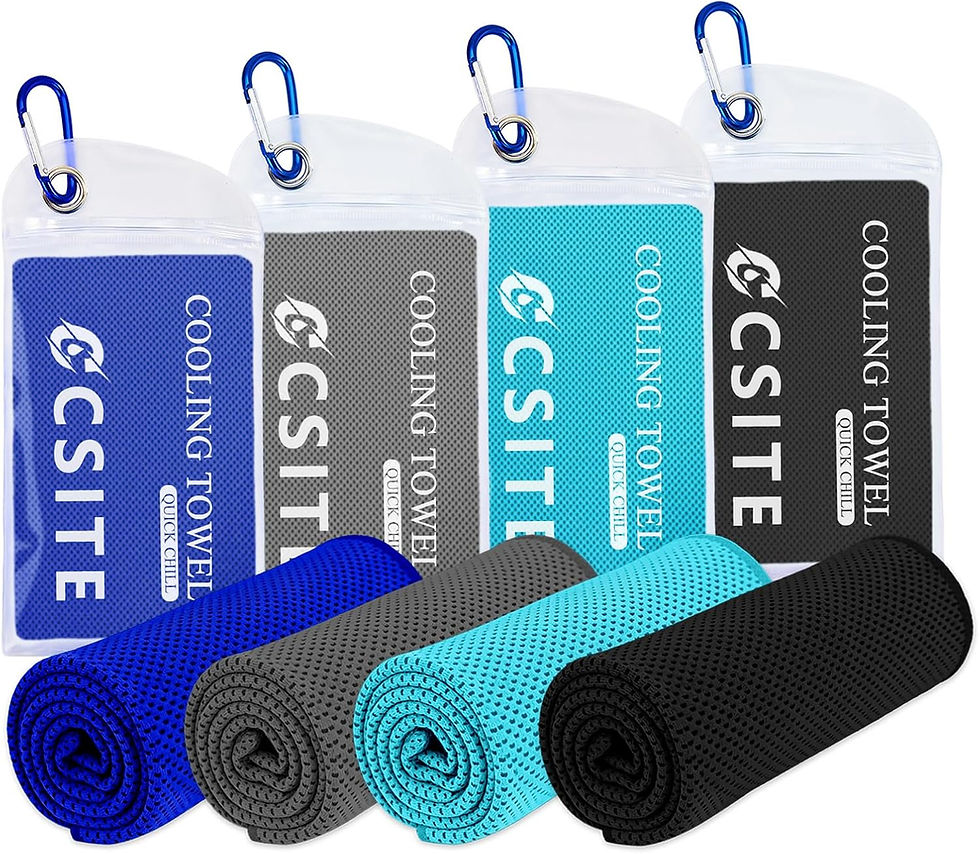
Reusable towel that cools through evaporation to help lower your body temperature during breaks.

Versatile shelter that provides instant shade, rain protection, or emergency cover almost anywhere.
Note: Gear links may be affiliate links. If you use them, Six Point Survival earns a small commission at no extra cost to you. We only recommend gear that makes sense for real outdoor use.
Want More?
If you found this guide helpful, there’s plenty more to learn. Subscribe to our Six Point Survival Newsletter for monthly tips and field-tested gear advice, and check out our YouTube channel for real-world demos and survival lessons.
Your support keeps Six Point Survival running — and trust me, caffeine is cheaper than therapy.
~ Micah Gillette
Donate to our Coffee Fund Now

Last but not least I have to brag for just a moment. We recently ranked number 60 in survival blogs on FeedSpot. So thank you to FeedSpot and if you want to see what else is out there check out FeedSpot. Also to help us rank up we would love any shares, likes, comments, you're willing to give! Thanks


Comments